Vol. 5 No. 1 (2026): Finding Paths Through Clinical Gaps
Modern biomedicine can be powerful and precise. Yet there remain clinical gaps—conditions where interventions are limited, or where structural bias shapes outcomes. The case reports in this issue of Convergent Points explore what happens when acupuncture and East Asian medicine provide thoughtful (sometimes brilliant) adjunctive responses to unmet need.
Sharonne O’Shea presents a multimodal approach to Morton’s neuroma, nerve impairment for which treatment options are often insufficient and surgery remains a common endpoint. Through layered use of far-infrared laser, electroacupuncture, and gua sha, this case demonstrates functional gains and pain reduction for a disorder which frequently progresses despite standard care.
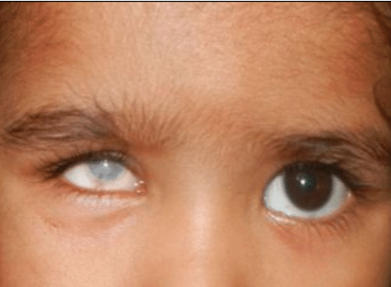
Kyung Shin and Catherine Vasco document adjunctive acupuncture and warming-needle moxibustion in a child with seasonal hyperacute panuveitis (SHAPU), a rare eye condition endemic to Nepal. In the context of urgent surgical intervention and risk of blindness, this report explores whether traditional techniques may influence recovery in an acute medical emergency.
Rebecca Mar Young and Brigitte Linder describe acupuncture in the management of severe childhood gratification syndrome, a frequently misdiagnosed pediatric presentation associated with significant family distress. Extraordinary and luo vessel treatment offers a means of addressing early regulatory disturbance where biomedical guidance is largely limited to reassurance.
Finally, Rhys May presents acupuncture with bleeding techniques and autogenic breathing during a sickle cell pain crisis. In a genetic disorder characterized by debilitating pain, high rates of opioid reliance, and well-documented health care inequities, this case illustrates how integrative care may reduce symptom burden and bolster patient agency.
Together, these reports explore acupuncture’s role in conditions where perstistent or escalating suffering compells people to seek additional care. The clinical gaps are real. Well-documented case reporting is one way to examine how integrative medicine may help our patients move through them.
-Kathleen Lumiere, Editor
Published:
2026-04-27