Seasonal Hyperacute Panuveitis (SHAPU) With Adjunctive Acupuncture and Moxibustion: A Case Report
Keywords:
SHAPU, acupuncture, moxibustion, integrative opthamology, Nepal, eye inflammationAbstract
Seasonal hyperacute panuveitis (SHAPU) is a rare, fulminant ocular inflammatory condition endemic to Nepal. Severe cases often result in rapid retinal destruction or blindness, even with vitrectomy and antimicrobial therapy.
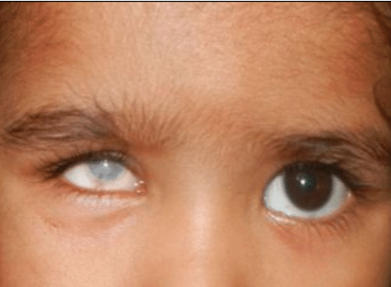
This report presents the first documented use of acupuncture and warming-needle moxibustion as adjunctive therapy in acute SHAPU management. An 8-year-old female with late-stage SHAPU of the right eye underwent diagnostic B-scan, which revealed dense intraocular exudate and early retinal instability. Despite urgent pars plana vitrectomy, significant edema and persistent exudates remained, and vision was limited to light perception.
The patient subsequently received five acupuncture sessions over four days (October 8–11, 2025), targeting periocular points—UB1 (Jingming), Taiyang, ST1 (Chengqi), and UB2 (Zanzhu)—with warming-needle moxibustion. After the initial treatment, lid edema decreased, the eye opened spontaneously, and visual acuity improved from light perception to finger movement recognition; she was later able to count fingers.
A repeat B-scan on October 12 confirmed near-complete clearance of vitreous exudates and a fully attached retina. However, a B-scan performed approximately 44 hours after treatment cessation revealed new retinal detachment with recurrent vitreous hyperreflective material. This case suggests that adjunctive acupuncture and warming moxibustion may facilitate rapid exudate clearance and symptomatic improvement in severe SHAPU.
Published
How to Cite
Issue
Section
License
Copyright (c) 2026 Convergent Points: An East-West Case Report Journal

This work is licensed under a Creative Commons Attribution-NoDerivatives 4.0 International License.